Are you confused by shipping terms like FOB, CIF, or DDP? This confusion can lead to unexpected costs that eat into your profits when importing gaming chairs.
Incoterms define who pays for shipping, insurance, and customs between you and the supplier. Choosing FOB, CIF, or DDP directly changes your total landed cost1 by shifting these financial responsibilities, impacting your final price per chair.
I remember talking with a new client in Peru. He was trying to figure out the best way to import his first container of gaming chairs from us. His biggest worry was the "total landed cost1" – the final price he would pay for each chair once it arrived at his warehouse in Lima. He was looking at quotes and saw different prices based on FOB, CIF, and DDP, and he wasn't sure which was the best deal. This is a common problem for many buyers. The price from the factory is just the beginning. Understanding how these terms affect your final cost is key to protecting your profit margin. Let's break it down so you can make the best choice for your business.
Why is FOB often the best choice for experienced buyers?
Do you want more control over your shipping costs? Relying on your supplier's shipping can feel risky and expensive. FOB (Free On Board)2 gives you the control you need.
FOB means the supplier’s responsibility ends once your gaming chairs are loaded onto the ship at the origin port. You take control of the main shipping journey, insurance, and import process, which can lead to significant cost savings.
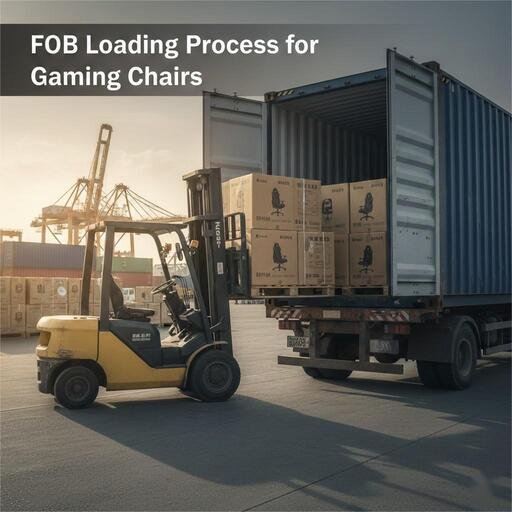
When you choose FOB, you get to pick your own freight forwarder3. This is a huge advantage. You can shop around for the best shipping rates instead of accepting the price your supplier gives you. I have seen clients save hundreds or even thousands of dollars on a single container this way. For my client in Peru, this was the turning point. He already had a relationship with a local logistics agent in Callao who could offer him a competitive rate for the sea freight from China.
By choosing FOB, he was able to:
- Negotiate a better freight rate with his own agent.
- Control the shipping schedule to better match his warehouse capacity.
- Have clear visibility of his shipment from start to finish.
Here is a simple breakdown of the responsibilities under FOB terms.
FOB Responsibilities (Example: Shanghai Port to Callao Port)
| Task | Seller (Ergomakers) Responsibility | Buyer (You) Responsibility |
|---|---|---|
| Production & Packaging | ✔️ | |
| Transport to Port of Origin | ✔️ | |
| Export Customs Clearance | ✔️ | |
| Loading onto Ship | ✔️ | |
| Main Sea Freight | ✔️ | |
| Cargo Insurance | ✔️ | |
| Arrival & Unloading | ✔️ | |
| Import Customs & Duties | ✔️ | |
| Final Delivery | ✔️ |
Of course, this means you need to do a little more work to find a reliable freight forwarder3. But for regular importers, the cost savings and control make it well worth the effort.
Is CIF a simpler option for new importers?
Is managing international shipping a headache for you? You might worry about finding a trustworthy freight forwarder3 on your own. CIF can make the process much simpler.
With CIF (Cost, Insurance, and Freight)4, the supplier handles and pays for shipping and insurance to your destination port. This is convenient because you only manage the import process and final delivery from the port.
CIF is very straightforward for buyers. When we quote a CIF price, it includes the cost of the gaming chairs, the insurance, and the shipping all the way to your nearest port. For the client in Peru, a CIF price would be for delivery to the port of Callao. All he would have to do is arrange for a customs broker to clear the goods and a truck to deliver them to his warehouse in Lima. This is a great option for someone importing for the first time, as it reduces the number of moving parts they have to manage.
However, convenience can sometimes come at a cost.
- Potentially Higher Costs: The freight and insurance costs are chosen by the supplier. They may not be the cheapest options available. The cost is bundled in, so you lose transparency.
- Minimal Insurance: The insurance included in CIF terms typically provides only minimum coverage. If you want more comprehensive protection for your goods, you might need to buy extra insurance.
Let’s see how CIF compares to FOB.
FOB vs. CIF Responsibilities
| Task | FOB | CIF |
|---|---|---|
| Main Sea Freight | Buyer Pays | Seller Pays |
| Cargo Insurance | Buyer Arranges | Seller Arranges |
| Risk Transfer Point | Onboard Ship at Origin Port | Onboard Ship at Origin Port |
| Buyer's Control | High | Low |
| Convenience | Low | High |
For a first order, CIF can be a safe and easy way to start. But as your business grows, you will likely find that the control and savings offered by FOB are more attractive for your bottom line.
Why should I be cautious about using DDP for large orders?
Does a price that includes everything delivered to your door sound too good to be true? DDP can be simple, but it can also hide costs and create problems.
DDP (Delivered Duty Paid)5 means the supplier handles everything, including shipping, insurance, import customs, and duties. While it seems easiest, you lose all control over costs and the import process, which can lead to higher final prices.
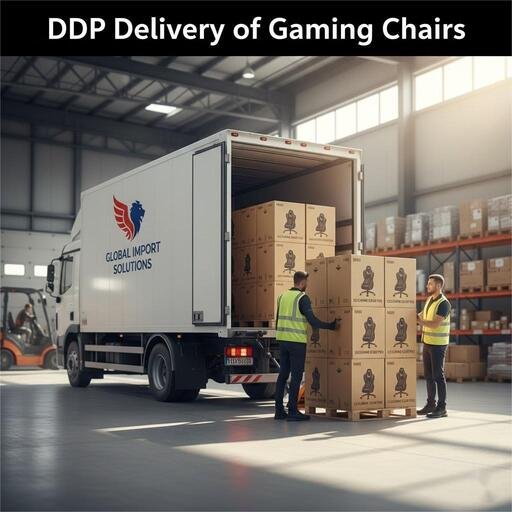
With DDP, the supplier gives you one price for the gaming chairs delivered to your warehouse, with all taxes paid. It feels like ordering from a local company. For small, high-value air shipments, this can sometimes make sense. However, for full container loads of gaming chairs, DDP can be risky and expensive. The supplier has to estimate the import duties and taxes for your country. To protect themselves from unexpected charges, they will always add a significant buffer to the price. You end up paying for this buffer, whether it's used or not.
My Peruvian client asked for a DDP quote. We explained the challenges. We don't have an entity in Peru, so we would have to use a third-party agent to handle the import. This adds another layer of cost and complexity.
The Hidden Risks of DDP
- Inflated Costs: The supplier controls all logistics and customs pricing. They will choose partners who are convenient for them, not cheapest for you. The price you pay includes their "risk premium."
- Customs Issues: The supplier is the importer of record in name, but they are not in your country. If there are any customs questions or inspections, it can cause major delays. Your local customs office may want to speak with you, the actual owner of the goods.
- Lack of Transparency: You have no idea what you are paying for freight, duties, or other fees. This makes it impossible to calculate your true landed cost per unit and manage your finances effectively.
For B2B container orders6, it is almost always better for you, the buyer, to control the import process in your own country. You know the local rules, you can work with your own trusted customs broker7, and you maintain control over your costs.
Conclusion
Ultimately, FOB and CIF are your best options. They offer a good balance of cost, control, and convenience. Let us help you find the right solution.
Understanding total landed cost is crucial for importers to accurately calculate expenses and protect profit margins. ↩
FOB offers control over shipping costs, allowing importers to negotiate better rates and manage logistics effectively. ↩
Selecting a trustworthy freight forwarder is essential for managing shipping schedules and costs effectively. ↩
CIF simplifies shipping by including costs and insurance, making it ideal for new importers who want convenience. ↩
DDP covers all shipping and customs costs, but can hide expenses and reduce control over the import process. ↩
Controlling B2B container orders allows importers to manage logistics, costs, and compliance effectively. ↩
A trusted customs broker ensures smooth customs clearance, reducing risks and delays in the import process. ↩