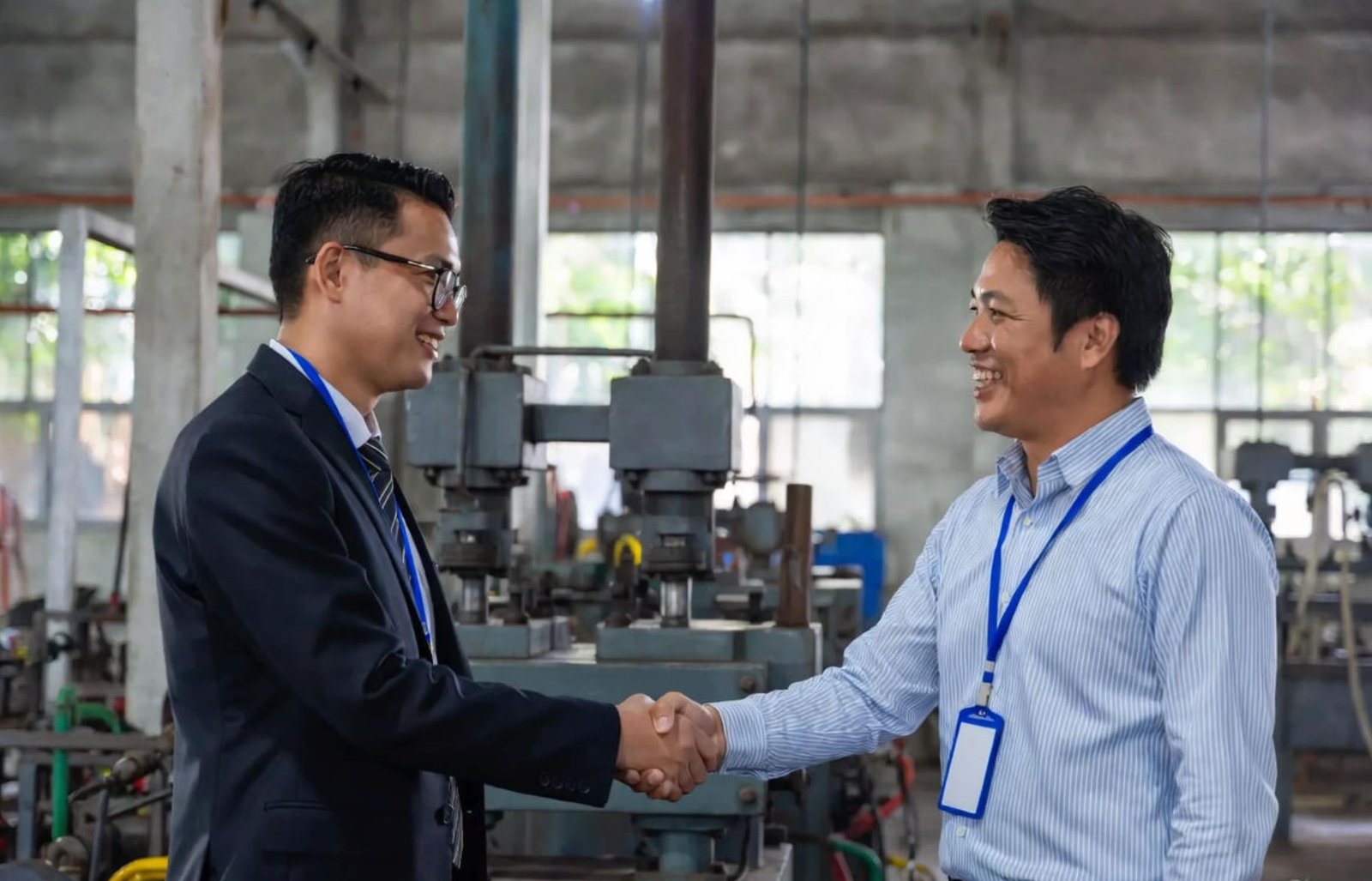
Have you ever faced this sourcing nightmare? The price is right, the sample is perfect, but the final container of products that arrives is a huge disappointment.
The most crucial factor in choosing a reliable gaming chair factory is finding an honest partner. A factory that is honest with you, and just as importantly, honest with its own suppliers, is the foundation for a successful, long-term business relationship and consistent product quality.

I've been in this business for over eight years, and I’ve seen this exact scenario play out more times than I can count. A brand gets excited, places a huge order based on a beautiful sample, and then gets a container full of chairs that will lead to customer complaints and returns. It’s a frustrating and costly experience. The core of the problem isn't always about skill or equipment; it's about integrity. So, let’s break down what you really need to look for, beyond just the sample and the price tag.
What does an 'honest' factory actually look like?
You're trying to find a good partner, but "honesty" can feel like a vague concept. How do you actually spot it in a manufacturing setting, thousands of miles away?
An honest factory is transparent. They communicate openly about their production process, material sourcing1, and potential challenges. They don't just tell you what you want to hear. They build trust through consistent actions, not just through promises made during a sales call.
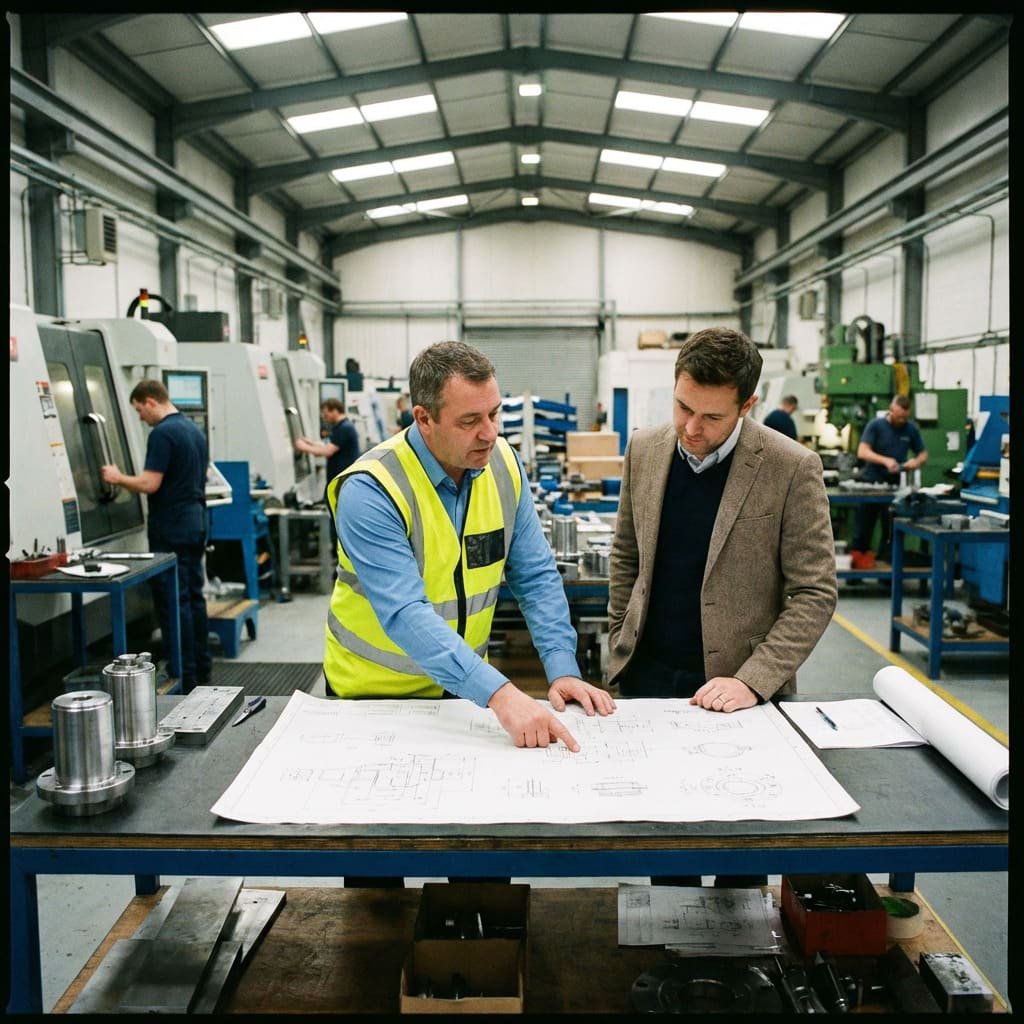
So, how can we make this idea more concrete? An honest factory has specific traits you can identify if you know what to look for. It's less about a feeling and more about a checklist of behaviors. I remember one time, a factory we were vetting told us upfront that a specific type of synthetic leather we wanted was having supply issues and might delay production by a week. They could have just said "yes" to win the order and dealt with the problem later. That upfront communication, even though it was 'bad news,' showed us they were an honest partner we could trust. It’s these small acts of transparency that build a strong foundation.
Consistent Material Sourcing
The golden sample you approved was made with specific materials. An honest factory will use those exact same materials for your mass production. A dishonest one might switch to a cheaper foam, a thinner steel frame, or a lower-grade fabric to increase their profit margin. They bet on you not noticing until it's too late. An honest partner provides a detailed Bill of Materials (BOM)2 and sticks to it.
Proactive Problem Solving
Problems happen in manufacturing. It's unavoidable. The difference is in how they are handled. A dishonest factory will hide a problem, hoping it goes unnoticed. An honest factory will call you as soon as an issue arises, explain the situation, and propose solutions. They treat you like a partner, not just a purchase order.
Clear and Open Communication
| This is the most important trait. Look at how they answer your questions. | Factory Type | Communication Style |
|---|---|---|
| Honest Factory | Provides detailed answers. Admits what they don't know. Gives realistic timelines. | |
| Dishonest Factory | Gives vague answers. Says "yes" to everything. Makes unrealistic promises on price and lead time. |
How can you verify a factory's integrity before placing a big order?
Feeling frustrated by factories that promise the world but fail to deliver? You need a reliable way to check their honesty before you commit your brand and your money.
The best way to verify a factory's integrity is to look for proof, not promises. This involves conducting thorough due diligence. You must investigate their production capabilities3, their financial stability4, and their reputation with their own business partners. It’s about being a detective.
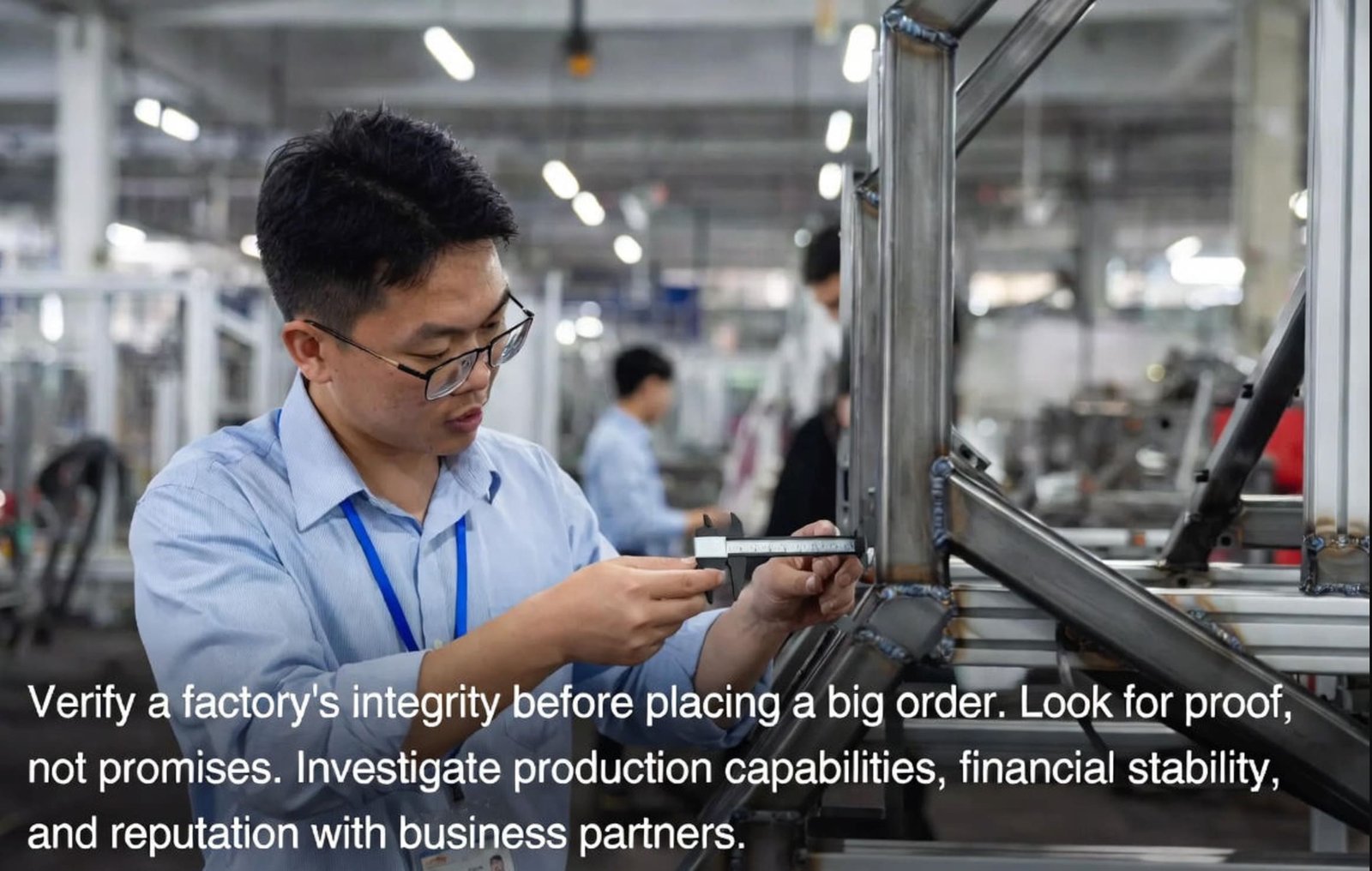
You can't just take their word for it. I learned this the hard way early in my career. We placed an order with a factory that had a great showroom and a smooth-talking sales manager. We skipped the deep-dive audit to save time. Six months later, we discovered they were just a trading company outsourcing our order to a smaller, low-quality workshop. The products were a disaster. Since then, I’ve never skipped the verification process. It's the most critical step. It’s not about being suspicious; it's about being professional and protecting your business from predictable risks.
Ask for a Factory Audit
A factory audit5 is non-negotiable. You or a trusted third-party agent must visit the facility. But don't just look at the machines.
- Observe the workflow: Is it organized or chaotic?
- Check their certifications: Ask to see their BIFMA, CE, or RoHS certificates. Are they current?
- Look at their raw material storage: Are materials stored properly? This shows their level of care.
- Talk to the workers: A happy and stable workforce is often a sign of a well-managed, reliable company.
Investigate Their Supply Chain
This is a trick many people miss. Ask them who their main suppliers are for key components like gas lifts, casters, and foam. An honest factory will be open about this. A factory with strong, long-term relationships with reputable component suppliers is a very good sign. It shows they are stable and value quality throughout their entire process, not just in the final assembly.
Start with a Small Trial Order
Before you commit to ordering multiple containers, place a small trial order6. A Minimum Order Quantity (MOQ)7 of 50 to 100 chairs is a good test. This allows you to evaluate the product quality, the packaging, and their communication throughout the entire process from order to delivery. The way they handle a small order tells you everything about how they'll handle a large one.
Why does their relationship with their own suppliers even matter to you?
Are you worried about sudden production delays or inconsistent quality? The root cause might not be inside the factory itself, but in its relationship with its parts suppliers.
A factory's relationship with its suppliers is a direct indicator of its own stability and integrity. If a factory pays its suppliers on time and treats them fairly, it gets priority service, consistent raw materials, and better pricing. This stability is passed directly on to you.
Think about it like a chain. Your brand is linked to the factory, and the factory is linked to dozens of smaller suppliers of foam, steel, plastic, and fabric. If any link in that chain is weak, the whole thing can break. I once worked with a brand whose shipment was delayed by a month. The reason? The chair factory hadn't paid its gas lift supplier, so the supplier refused to deliver the parts. The factory didn't tell my client the real reason, they just gave vague excuses. This is why you must care about their business practices.
The Foundation of Quality
A factory that squeezes its suppliers for the lowest possible price often gets the lowest quality materials.
- Good Supplier Relationship: The factory receives high-quality, consistent components because they are a valued customer. This leads to a high-quality final product for you.
- Poor Supplier Relationship: The factory receives inconsistent, lower-grade components. This leads to defects, failures, and unhappy customers for your brand.
A Signal of Financial Health
How a company treats its suppliers is a strong signal of its own financial health.
| Business Practice | What It Means for You |
|---|---|
| Pays suppliers on time | They are financially stable and less likely to go out of business during your production run. |
| Delays payments to suppliers | They may have cash flow problems. This is a major risk for your deposit and your order. |
Preventing Unexpected Delays
The best component suppliers will prioritize their best customers. If your factory has a reputation for being a difficult partner or late payer, they will be last in line when there are material shortages or production backlogs. This means your order gets delayed. A factory that is an honest and reliable partner to its suppliers ensures a smoother and more predictable production schedule for you.
Conclusion
Choosing a reliable factory comes down to one thing: finding an honest partner. This integrity ensures consistent quality, transparent communication, and a stable supply chain8 for your brand's growth.
Learn about the significance of material sourcing for maintaining product integrity and quality. ↩
A BOM is essential for understanding the components of your product and ensuring quality. ↩
Evaluating production capabilities helps ensure the factory can meet your demands. ↩
Assessing financial stability is key to ensuring your factory can fulfill orders without issues. ↩
A factory audit is crucial for verifying a manufacturer's capabilities and integrity. ↩
A trial order allows you to assess a factory's performance before committing to larger orders. ↩
Learn about MOQ and how it can help you test a factory's reliability before large orders. ↩
Understanding supply chain dynamics can help you assess a factory's reliability. ↩